The sun had set over the water and everyone was settling into their various chairs and blankets in the sand, preparing to watch the fireworks. Family and friends all around. The day had been filled with laughter and fun. And yet, in that small moment where things settled down and before the first firework went off, I found myself in a quiet I wasn’t expecting. An odd combination of isolation, sadness, confusion and pride. Thoughts about the experiences I had and the people I served with in the Corps flickered in my mind like the fireflies that pulsed in the beach grass. I wasn’t distressed. I wasn’t anxious. It was just a moment where I realized I was carrying something that no one around me would understand.
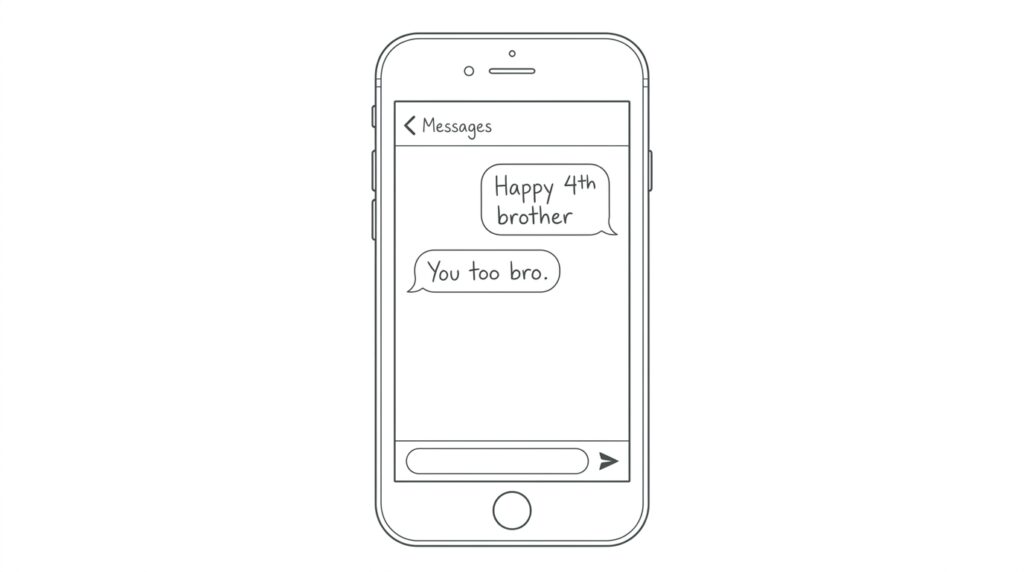
I grabbed my phone and texted a friend from the Corps. “Happy 4th brother.” His response was just as short. “You too bro.” Yet it carried an understanding that no other words could.
For many veterans, Independence Day holds many things at once. There is genuine pride — deep, earned, and real. There is also something harder to name. Not always the crowds or the fireworks, though for some that’s true too. Sometimes it’s quieter than that. A moment of reflection about the cost of service, about the people left behind, about the difficulty of finding your place outside of something that became woven into who you are.
I have found that it’s not only myself, but for the veterans I have worked with as well, there is something that transcends branch of service or years served. When you are part of the less than 1% of the population who chose to serve, that experience doesn’t clock out. Wartime or peacetime, four years or forty — for many it becomes part of what makes you, you. That’s not always easy to explain to someone who hasn’t lived it.
When I’m sitting with a veteran client, sometimes it’s just a smile or a nod that communicates they don’t have to find the words. It’s felt. It’s understood. That shared thread — even between two people whose experiences look nothing alike — creates a kind of safety that doesn’t need explaining either.
If you’re a veteran carrying something this weekend that the people around you can’t quite reach — that’s real, and it makes sense. You don’t have to have the words for it.
Still Carrying Something?
You don’t have to explain it to work through it. If you’re ready to talk, reach out when you’re ready.